
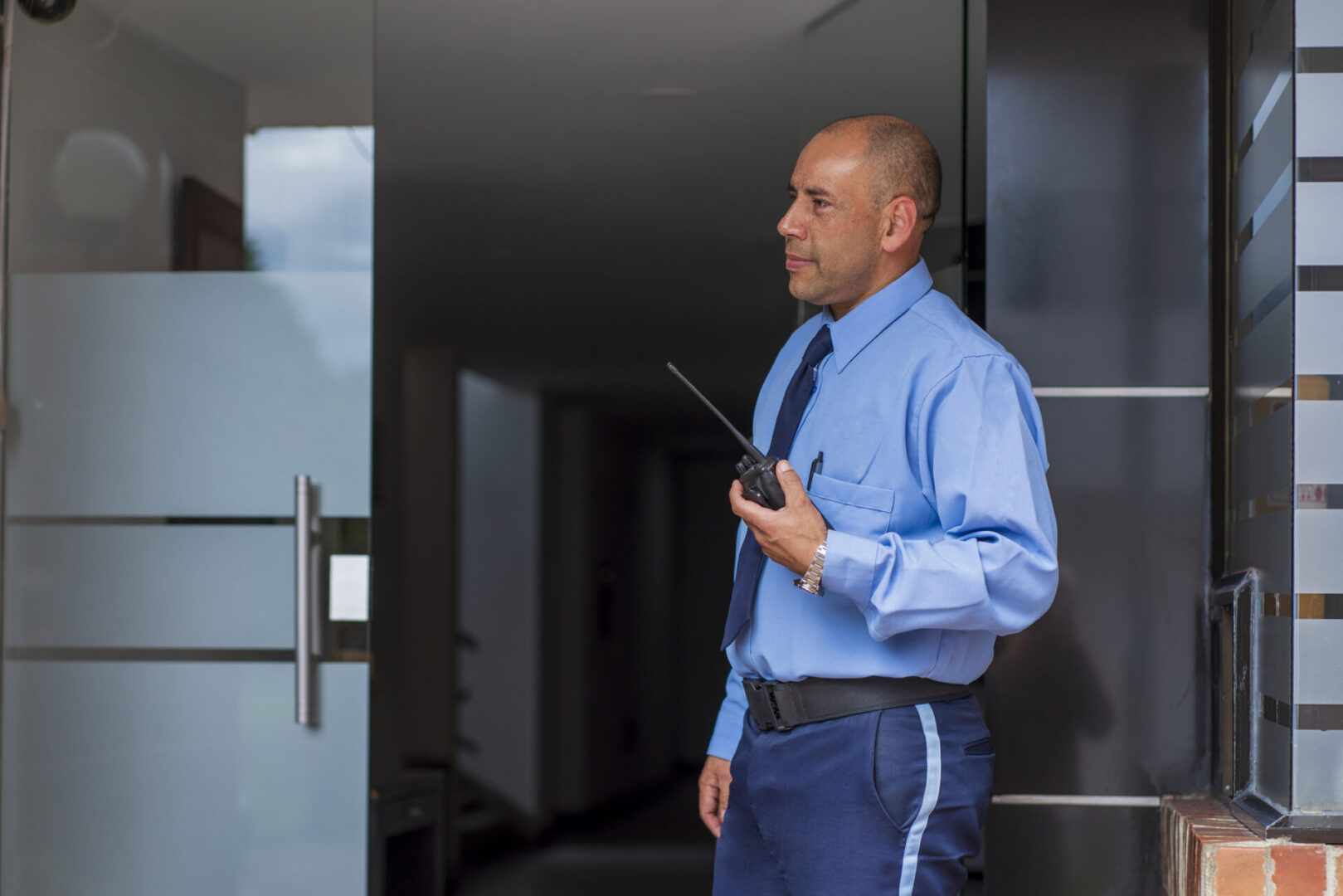
Security Tips: Practical Ways to Improve Everyday Security
Security is most effective when it is approached as an ongoing process rather than a single solution. Whether at home, at work, or managing an organization, simple security practices can help identify potential risks, improve awareness, and support better preparation.
Start With Awareness
One of the most useful security habits is paying attention to your surroundings and recognizing unusual activity. Encourage employees, residents, or team members to report concerns through the appropriate channels rather than attempting to investigate or confront a situation themselves.
Awareness can include noticing:
- Unusual activity around entrances or restricted areas
- Unexpected visitors or requests for access
- Missing identification or access credentials
- Unsecured doors, gates, or sensitive areas
- Suspicious communications or attempts to obtain information
Awareness does not mean assuming that unusual activity is dangerous. Instead, it means recognizing situations that may warrant additional attention.
Review Access Procedures
Organizations should regularly review who has access to buildings, workspaces, equipment, and sensitive areas. Access should generally be based on legitimate business or operational needs.
Consider reviewing:
- Employee and contractor access
- Visitor procedures
- Identification requirements
- Key and access-card management
- After-hours access
- Procedures for lost or compromised credentials
Clear procedures can help employees understand what to do when access-related concerns arise.
Maintain Clear Security Procedures
Written procedures can provide employees and security personnel with consistent guidance. Depending on the organization, procedures may address visitor management, emergency communication, incident reporting, patrol responsibilities, access control, and other operational concerns.
Procedures should be reviewed periodically and updated when circumstances, facilities, personnel, or operational requirements change.
Encourage Incident Reporting
Employees should know how and when to report security concerns. A straightforward reporting process can help organizations document incidents and identify recurring issues.
Reports should focus on relevant, observable information, such as:
- What happened
- When and where it occurred
- Who was involved, when known
- What was observed
- What actions were taken afterward
Avoid asking employees to conduct their own investigations or make assumptions about someone’s intentions.
Protect Sensitive Information
Security also involves protecting information. Organizations should consider how sensitive records, credentials, employee information, investigative materials, and other confidential business information are stored, accessed, transmitted, and disposed of.
Staff should understand basic information-security practices and know which channels are appropriate for reporting suspected data or security concerns.
Review Security Practices Regularly
Security needs can change as organizations grow, facilities change, technology evolves, and new operational challenges emerge. Periodic reviews can help identify areas where procedures, training, staffing, or physical security measures may need additional attention.
A professional security assessment may provide a more structured way to evaluate an organization’s specific needs.
When Professional Assistance May Help
General security tips can support awareness, but they cannot replace an assessment based on a specific situation. If you have concerns about security procedures, an incident, workplace security, investigations, or related services, consider speaking with a qualified security professional.
AWICS Security & Investigations, Inc. provides professional security, investigative, and training services tailored to client and organizational needs. Contact AWICS to discuss your specific concerns and determine what type of professional assistance may be appropriate.
Disclaimer: This article provides general educational information and is not individualized security, investigative, or legal advice. Security needs and appropriate responses can vary depending on the circumstances.
References & Further Reading
- CISA – Physical Security Resources: Guidance on physical security, access control, security awareness, and incident response.
- NIST – Security and Privacy Controls: A comprehensive framework covering access control, awareness and training, incident response, physical security, and information protection.
- NIST – Protecting Personally Identifiable Information (PII): Guidance on protecting sensitive personal information from inappropriate access, use, or disclosure.
- NIST – Small Business Information Security: Practical information-security fundamentals for organizations seeking to strengthen their security practices.
NEED PROFESSIONAL ASSISTANCE?
AWICS provides professional security, investigative, and training services for businesses, organizations, government agencies, and private clients.
AlWays the Intelligent Choice for your Security services.